




Posted on 07 April 2025
Nestled in the French Alps, Alpe d’Huez is so famous because it stands as a colossus in cycling folklore. Twenty-one hairpin bends have witnessed dramatic moments in Tour de France history, transforming what was once merely a ski resort access road into hallowed ground for cyclists worldwide.
But what makes this climb famous above countless other challenging Alpine ascents? Why does Alpe d’Huez command such fame among cycling enthusiasts and professionals alike? The answer lies in a perfect storm of geographical challenges, sporting drama, and cultural significance that has built up over decades.
This iconic climb has transcended sport to become a bucket-list destination for amateur cyclists and a pivotal battleground for professionals. The fame extends beyond physical characteristics—though these are formidable enough—to encompass human stories of triumph and defeat that have played out on the slopes.
Why Alpe d’Huez is So Famous – Anatomy of an Iconic Climb
Alpe d’Huez presents a formidable physical challenge that has helped cement its status. The famous climb begins in the town of Bourg d’Oisans and rises dramatically through 21 numbered hairpin turns (locally known as “lacets”) to the summit ski resort. These hairpins aren’t merely scenic —they’re the backbone, each one numbered and named after previous stage winners.
Raw statistics are impressive: 13.8 kilometres (8.6 miles) of continuous climbing with an average gradient of 8.1%. However, this average masks the true difficulty, as some sections pitch up to a leg-burning 13%. From start to finish, cyclists must ascend 1,071 meters (3,514 feet) in elevation. For perspective, that’s like climbing a 350-story building on a bicycle.
The first few kilometres are the steepest, immediately sapping energy reserves that riders desperately need later. This front-loading of difficulty has broken countless ambitious attempts before they’ve properly begun towards the stage finish.
Professional cyclists often describe the first four kilometres as the true crux of the climb, where the gradient consistently hovers between 10-11%. This initial asphalt wall became infamous for separating contenders from pretenders within the first twenty minutes of the ascent. The psychological impact is equally significant—facing such severity so early forces riders to make critical decisions about pacing that will determine their fate long before the summit comes into view. Many Tour veterans advise newcomers to resist the temptation to match accelerations here, knowing that the mountain rewards patience more than bravado.
The climb’s unique profile also creates specific physiological demands that differ from other iconic ascents. While longer Alpine passes might allow riders to find a sustainable rhythm, Alpe d’Huez forces constant adaptation as the road switches back and forth. Each hairpin transition subtly changes the forces applied through the pedals, engaging slightly different muscle groups and preventing riders from settling into the metronomic cadence they might prefer. Combined with the unrelenting gradient, this constant variation produces a distinctive form of fatigue that many riders describe as uniquely “Alpe-shaped” in their post-ride analyses. It hence describes why Alpe d’Huez is so famous.
21 Legendary Hairpins
Twenty-one bends are perhaps its most distinctive feature, each numbered in descending order from bottom to top. This countdown creates a psychological framework for the climb—riders can track their progress, bend by bend.
These hairpins serve a practical purpose beyond their cultural significance. They provide brief moments where the gradient eases slightly, offering tiny windows of relative relief before the road pitches again. The technical nature of navigating these tight turns also adds another dimension to the challenge, particularly when descending or racing in a group.
Altitude Effects and Weather Challenges
At 1,860 meters (6,102 feet) above sea level, Alpe d’Huez introduces the additional altitude challenge. While not extreme enough to cause severe altitude sickness, the thinner air impacts performance, especially for riders not acclimatised to mountain conditions. Reduced oxygen availability makes an already tricky physical effort even more taxing.
Mountain weather is wildly unpredictable and dramatically different from the valley below. Summer thunderstorms develop rapidly, turning a hot climb into a cold, wet ordeal in minutes. Temperature differences between the base and summit exceed 10°C (18°F), requiring riders to consider clothing choices carefully.

Tour de France: Making of a Cycling Mecca
While physical characteristics make it a formidable challenge, the inclusion in the Tour de France elevated the resort to legendary status. The climb first appeared in the Tour in 1952 when Italian champion Fausto Coppi conquered it with a dominant performance that set the tone for future races. However, it wasn’t until 1976 that Alpe d’Huez became a regular fixture in the race, and since then, it has appeared over 30 times.
Often positioned in the final week of the three-week race, it frequently serves as the stage where Tour contenders must show true strength. The climb became known as the “Judge of the Tour,” where pretenders fail and champions win. The visual spectacle is unlike anything else in professional sports. Each 21-hairpin bend becomes a miniature stadium, with distinct groups of fans—organised by nationality—claiming their territory days or weeks in advance.
Television coverage has further mythologised the climb, with helicopter shots capturing the snake-like procession of the peloton winding up the mountain against the dramatic backdrop. These iconic images, broadcast to millions worldwide, are instantly recognisable even to casual cycling fans, cementing cycling’s most famous ascent.
Famous Bike Climbs and Historic Battles
The 1986 battle between Greg LeMond and Bernard Hinault remains the most famous, with Hinault breaking his promise to support LeMond and attacking on lower slopes, only for LeMond to catch and eventually match him, leading to their iconic finish together at the summit. This moment encapsulated the fierce competition and occasional sportsmanship that defines the climb.
In 2001, Lance Armstrong executed what became known as “The Look” when he stared back at rival Jan Ullrich before accelerating to victory. Though Armstrong’s wins were later stripped due to doping violations, the moment remains etched in cycling lore as a psychological power move. More recently, in 2018, Geraint Thomas effectively secured his Tour victory at the summit finish with a powerful attack, demonstrating how performances on this challenging climb can define a cyclist’s ride.
Record Holders and Legendary Performances
The fastest recorded ascent belongs to Marco Pantani, who in 1997 climbed it in just 37 minutes and 35 seconds—a time that fuelled much debate given the era’s widespread doping issues. In the modern, more tightly controlled era, times are typically several minutes slower, reflecting the sport’s efforts to clean up its image.
Beyond speed records, specific riders have developed unique relationships with the mythical climb. Dutch riders dominated in the 1980s to such an extent that they earned the nickname “Dutch Mountain,” with eight Dutch victories between 1977 and 1989. This created a tradition of Dutch fans claiming the mountain as their own, painting the roadway orange and creating a party atmosphere that continues today.
The Dutch Connection: Why Orange Dominates
One distinctive aspect is the overwhelming presence of Dutch fans, who turn sections of the legendary climb into a sea of orange. This phenomenon has deep historical roots dating back to the late 1970s and 1980s, when Dutch riders achieved remarkable success on the mountain. Joop Zoetemelk, Hennie Kuiper, and Peter Winnen were among the Dutch champions who established a special relationship between the Netherlands and this French mountain.
The Dutch dominance was so pronounced that eight of the fourteen stage winners between 1977 and 1989 came from the Netherlands, leading to the affectionate nickname “Dutch Mountain.” At bend seven, Dutch Corner became one of sport’s most famous party zones. The tradition is self-perpetuating, with new generations of Dutch cycling fans making the pilgrimage regardless of whether Dutch riders are contending for victory. This cultural phenomenon has inspired other nations to establish their own “corners” on different hairpins, with British, Danish, and German fans creating their distinctive zones.
Beyond the Tour: Cycling Tourism Destination
While famous cycling races and winners like Joaquim Agostinho made L’Alpe d’Huez match the likes of Mont Ventoux, the French ski resort developed a life of its own as a cycling climb destination. Each year, tens of thousands of cyclists travel to France specifically to test themselves against this climb. The road that launches from Pic Blanc sees more than 1,000 cyclists on busy summer days, all chasing their moment of glory on the same tarmac where their heroes have battled.
This cycling tourism has transformed the region’s economy, with bike-friendly hotels, lifts, rental shops, and cafes catering specifically to cyclists. Local businesses track the nationalities of visiting riders, and many report welcoming cyclists from more than 50 countries each season. The mountain is a year-round cycling destination, though most tackle it between May and October.
La Marmotte: Ultimate Amateur Challenge
Beyond individual attempts, Alpe d’Huez is the finale of La Marmotte, the most prestigious and challenging cyclosportives (organised mass-participation cycling events). Established in 1982, this gruelling 174-kilometer route includes over 5,000 meters of climbing across multiple Alpine passes before finishing with the ascent.
Each year, around 7,500 riders from across the globe participate in La Marmotte, making it a sought-after entry in amateur cycling. Despite its fearsome reputation for difficulty, the event sells out within hours of registration opening. For many participants, simply finishing is a significant achievement, while the fastest amateurs complete the course in under six hours—a remarkable feat of endurance.
Strava and the Digital Era
The digital era has added another dimension. The climb is the most popular Strava segment worldwide, with hundreds of thousands of recorded attempts. This virtual competition allows cyclists to compare their efforts with those of friends, professionals, and riders from previous decades.
The Strava leaderboard is a digital hall of fame, with professional riders occasionally claiming the top spots during training rides. For amateur cyclists, achieving a personal best time that places them in the top 10% globally can be as satisfying as any physical trophy. This digital dimension has reinforced the mountain’s status as cycling’s ultimate benchmark climb.
Exciting Events and Winter Sports Beyond Cycling
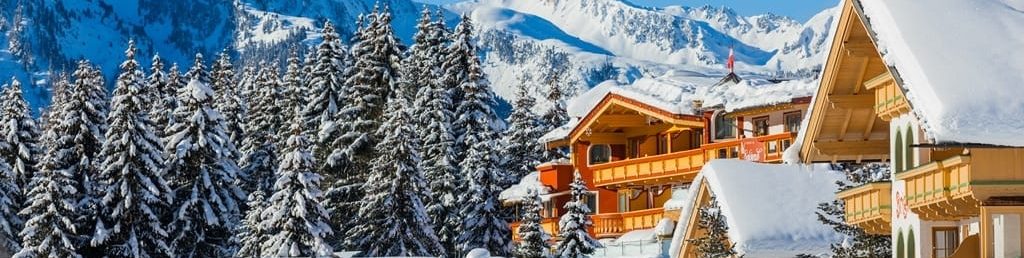
While cyclists have claimed their spiritual home, the road initially served the alpine resort that shares the name. Established in the 1930s and expanded significantly after World War II, Alpe d’Huez ranks among France’s premier ski resorts, offering over 250 kilometres of ski runs across a vast terrain that reaches up to 3,330 meters at its highest point.
The resort markets itself as “L’Île au Soleil” (The Island of the Sun) due to its exceptional sunshine record—reportedly 300 days annually. This favorable climate and reliable snow conditions at higher elevations have made it a popular destination for alpine skiers across Europe. The resort has hosted multiple Alpine Skiing World Cup events and was the site of bobsled competitions during the 1968 Grenoble Winter Olympics.
This dual identity creates an interesting dynamic where the same road serves different purposes depending on the season. In winter, it’s the access route to a ski paradise, for beginner and advanced skiers, while in summer, it attracts cyclists, a completely different demographic. This seasonal shift reflects in the local economy, which has adapted to welcome both types of visitors.
Year-Round Tourism and Real Estate Evolution
Alongside Skiing, cycling has transformed Alpe d’Huez into a true year-round destination. While winter remains the peak season, summer brings a steady stream of cyclists to keep hotels and restaurants busy during what was traditionally the off-season. Many businesses adapted by offering bike storage, maintenance facilities, and cyclist-specific amenities. This evolution reflects broader trends in Alpine tourism, where climate change concerns and changing vacation preferences have pushed resorts to diversify beyond traditional winter offerings.
Naturally, with famous destinations, house hunters also come knocking. With developments selling apartments and ski chalets, Alpe d’Huez has strengthened its position as a summer and winter destination. With the Alps promoting itself as a year-round hub, and more buyers looking to get out of urban centres, the popularity seems to continue. If you want to know more about real estate developments, contact us today or see our portfolio here.
Future of an Alpine Legend
As cycling continues to grow globally, Alpe d’Huez’s status seems secure. Tour organisers understand the mountain’s unique appeal and continue to feature it regularly, though not annually—absence makes the heart grow fonder, and keeping Alpe d’Huez appearances somewhat limited maintains their special status. When the climb does appear on the Tour route, it’s invariably highlighted as a key stage.
Climate change presents both challenges and opportunities. Warming temperatures may eventually threaten lower runs, potentially making summer tourism even more important to local businesses. At the same time, a more extended cycling season could allow more riders to experience the climb in comfortable conditions.
The mountain continues to evolve in how it embraces its cycling identity. In recent years, better cycling facilities have been developed, including dedicated bike paths in some areas, improved signage, and even a museum celebrating the climb’s history. Local authorities have recognised the need to preserve and enhance the mountain’s cycling heritage so that people keep asking why Alpe d’Huez is so famous.
People Also Ask
How hard is Alpe D’Huez cycling?
Cycling Alpe d’Huez is challenging because of the steep gradient, averaging 8.1% over 13.8 kilometres, with some sections reaching 10-12%. The climb is famous for its 21 hairpin bends, which test your physical endurance and mental toughness. Amateur cycling requires strong climbing legs and the ability to pace yourself effectively, as the effort is sustained and demanding. However, with proper training and strategy, it’s achievable, and the sense of accomplishment at the top and the stunning views make it a rewarding experience.
How long does it take to cycle Alpe d’Huez?
The time it takes to cycle Alpe d’Huez can vary widely depending on your fitness level and experience. For amateur cyclists, the climb usually takes between 1 and 2 hours. More experienced riders might complete it in under an hour, while beginners or those not accustomed to steep climbs may take closer to 2 hours. Factors like weather, pacing strategy, and how many breaks you take can also influence your time. It’s essential to go at a comfortable pace, especially if it’s your first time tackling such a demanding ascent.
What is the fastest time on Alpe d’Huez?
The fastest recorded time for cycling up Alpe d’Huez is 37 minutes 35 seconds, set by the French professional cyclist Marco Pantani during the 1997 Tour de France. Pantani’s legendary effort remains one of the most impressive climbs in the history of the mountain, showcasing his exceptional climbing ability. Since then, times have varied depending on the rider’s fitness and race conditions, but Pantani’s time is still regarded as the benchmark for the climb.
Which is harder Alpe d Huez or Ventoux?
Alpe d’Huez and Mont Ventoux are iconic climbs in cycling. Still, Mont Ventoux is generally considered more complex, because of the longer length, more variable terrain, and harsher weather.
Mont Ventoux is 21.8 kilometres long with an average gradient of 7.5%, but it has much steeper sections, and the climb tends to be more exposed to wind, making it feel even more difficult. The summit is known for its barren, almost lunar landscape and extreme conditions, mainly the strong winds and heat, which can add to the challenge.
Alpe d’Huez, on the other hand, is 13.8 kilometers long with an average gradient of 8.1%. While it’s a tough climb, it’s generally more predictable and has a more consistent gradient. However, the 21 hairpin turns and intense switchbacks can make it mentally and physically demanding.
Also of Interest
Cycling in the French Alps: For avid cyclists who love breathtaking scenery, cycling in the Alps should be on your bucket list. Indeed, many people who buy property associate the Alps with the famous reputation for skiing. But outside of winter, the Alps become an outdoor playground with cyclists flocking around France and the world.
2030 Olympics: It is all excitement in France, as five cluster locations will be the host venues for the 2030 Winter Olympics. With a vision to unite the North and South Alps, the 2030 Olympic Winter Games will take place from 1 to 17 February, with the Paralympic Winter Games taking place shortly afterwards, between 1 and 10 March.
Best Summer Resorts: With so many resorts, deciding can be overwhelming. Summer mountain resorts are not just for skiing in winter – they also offer fantastic activities in summer, and are a great place to own a second home. There is something for everyone, from hiking and mountain bike trails to relaxing by pristine lakes. Whether you are looking for a vacation spot or somewhere to buy a mountain retreat, the French Alps deliver in abundance.

Learn more here: click here