



Posted on 14 January 2026
Moving to Switzerland: Visas, Residency, Citizenship, Passports and Travel Information
Switzerland is one of the world’s most stable, prosperous, and desirable countries for relocation. Known for its exceptional quality of life, political neutrality, strong economy, and breathtaking Alpine landscapes, Switzerland attracts professionals, investors, retirees, and families seeking long-term security and lifestyle excellence.
With its world-class healthcare system, outstanding education, low crime rates, and efficient public services, Switzerland consistently ranks among the top countries globally for living standards. Its central European location, strong financial sector, and reputation for discretion and stability make it particularly appealing to high-net-worth individuals and international professionals.
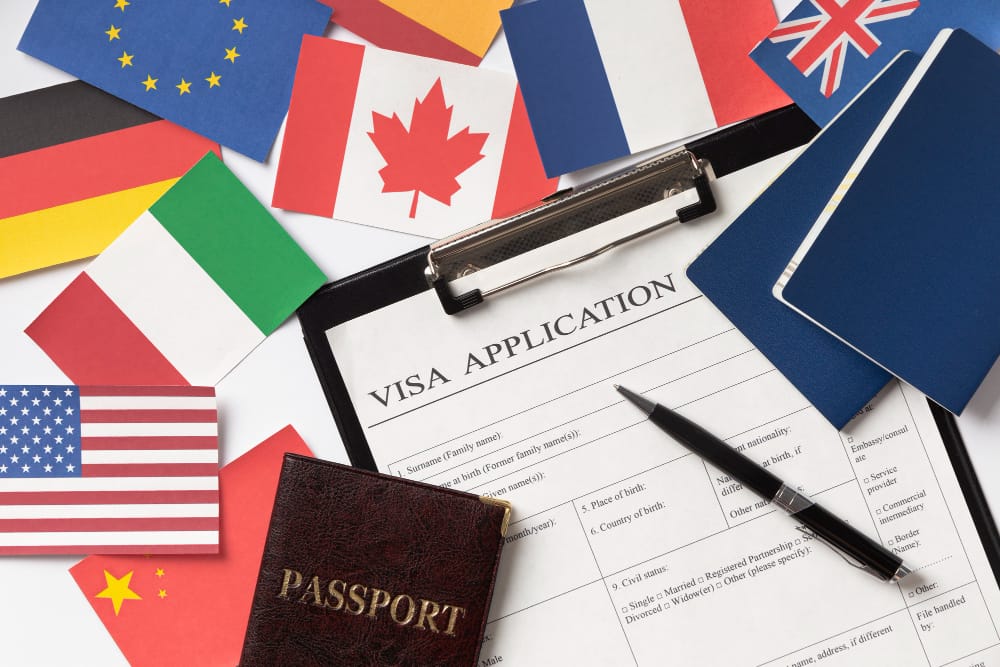
Visa Types for Switzerland
Tourist and Short-Stay Visas
Switzerland is part of the Schengen Area, allowing visa-free travel for up to 90 days within any 180-day period for citizens of visa-exempt countries, including the United Kingdom, United States, Canada, Australia, and most European nations.
Travellers from visa-required countries must apply for a Schengen short-stay visa before arrival. Short stays cover tourism, family visits, business meetings, and short-term courses.
From 2025, travellers from visa-exempt countries will require ETIAS (European Travel Information and Authorisation System) approval prior to travel. ETIAS is not a visa but a security authorisation valid for multiple entries over three years.
Long-Stay and Residency Visas
Non-EU/EFTA nationals intending to stay in Switzerland for more than 90 days must apply for a long-stay (national) visa, followed by a residence permit issued by the local cantonal authorities.
Switzerland offers several residence permit categories, including:
Work Residence Permit – for those employed by a Swiss company
Self-Employed Permit – for business owners and entrepreneurs
Residence Without Gainful Activity – popular with retirees and financially independent individuals
Family Reunification Permit – for spouses and dependants
Student Residence Permit – for those enrolled in Swiss educational institutions
Residence permits are issued and managed at the cantonal level, meaning requirements can vary slightly depending on where you live.
Work Visas
Switzerland operates a quota-based system for non-EU/EFTA nationals, making work permits more selective than in many EU countries. Employers must demonstrate that no suitable Swiss or EU candidate is available before hiring a third-country national.
Common work permits include:
L Permit – short-term residence (up to 12 months)
B Permit – long-term residence (usually one year, renewable)
G Permit – cross-border commuter permit
EU/EFTA citizens benefit from more relaxed rules under freedom of movement agreements, although registration is still required.
Student Visas
International students accepted into recognised Swiss universities or institutions must apply for a student visa and residence permit. This allows:
Full-time study in Switzerland
Limited part-time work during term time
Renewal for the duration of studies
After graduation, students may apply for short-term residence to seek employment related to their qualifications.
Swiss Citizenship
Swiss citizenship is highly respected worldwide but is known for having one of the most demanding naturalisation processes in Europe. Citizenship is based on strong integration at federal, cantonal, and municipal levels.
How to Obtain Swiss Citizenship
By Naturalisation
Requires 10 years of legal residence (years between ages 8–18 count double, up to a maximum of 5 years)
Must hold a permanent residence permit (C Permit)
Applicants must demonstrate integration, language proficiency, financial independence, and respect for Swiss values
Local municipalities often conduct interviews or community assessments
By Marriage
Available after 3 years of marriage to a Swiss citizen and 5 years of residence in Switzerland
Requires proof of successful integration
By Descent
Automatically granted if at least one parent is a Swiss citizen
Switzerland allows dual nationality, meaning applicants are not required to renounce their existing citizenship.
Swiss Passport
Once citizenship is granted, individuals are eligible to apply for a Swiss passport, consistently ranked among the world’s strongest and most respected travel documents.
Benefits of a Swiss Passport
Visa-free or visa-on-arrival access to over 190 countries worldwide
The right to live and work in Switzerland indefinitely
Freedom of movement within the Schengen Area
Strong consular protection and global recognition
Access to Switzerland’s political system, including voting and referendums
Swiss passports are typically valid for 10 years for adults and 5 years for children.
Travel and Lifestyle in Switzerland
Switzerland offers an exceptional lifestyle defined by safety, efficiency, and natural beauty. The country has four official languages—German, French, Italian, and Romansh—reflecting its cultural diversity. English is widely spoken, particularly in business and international environments.
Major cities such as Zurich, Geneva, Basel, and Lausanne combine cosmopolitan living with easy access to mountains, lakes, and countryside. Switzerland’s transport system is among the best in the world, and its healthcare and education standards are globally recognised.
Thinking of Relocating to Switzerland?
Whether you are seeking career advancement, long-term financial security, a safe environment for your family, or a refined Alpine lifestyle, Switzerland offers unmatched stability and quality of life. While residency and citizenship requirements are more selective than in many countries, the rewards—global mobility, economic strength, and an exceptional living environment—make Switzerland one of the most prestigious and desirable destinations in the world.
Learn more here: click here