




Posted on 16 October 2024
Alpine Aullure – Discover why Alpine estates are capturing the hearts and wallets of discerning buyers
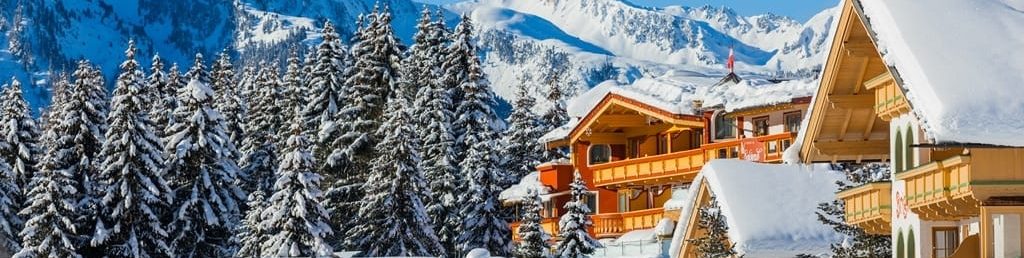
The majestic peaks and serene valleys of the Alps have long been synonymous with both adventure and luxury. In recent years, Alpine property has surged in popularity, transforming the region into a hotspot for real estate investment and high-end mountain living. From the snow-capped slopes of Switzerland to the charming villages of Italy and the rugged terrains of Austria, Alpine properties offer a unique blend of natural beauty, exclusivity, and lucrative investment opportunities.
Market Trends and Investment Potential
The Alpine property market has shown impressive resilience and growth over the past decade. According to the European Federation of National Organisations Working with the Real Estate Sector (FENOREA), property values in key Alpine regions have appreciated by an average of 6% annually, outpacing many other European mountain markets. This steady increase is driven by the region’s enduring appeal, robust tourism industry, and the allure of owning a second home in some of Europe’s most picturesque locations.
Moreover, the COVID-19 pandemic further accelerated this trend, as more individuals sought spacious, secluded retreats away from densely populated urban centres. The shift towards remote working arrangements has enabled buyers to invest in properties that serve both as luxurious vacation homes and permanent residences. “The demand for Alpine properties has surged as people look for safer, more spacious living environments,” notes Claire Dubois, a renowned real estate analyst based in Geneva. “The Alps offer the perfect combination of natural beauty and modern amenities, making them highly desirable for both personal use and investment.”
For investors, the Alpine market presents a compelling opportunity. The region’s popularity as a tourist destination ensures a consistent demand for rental properties, particularly in renowned ski resorts such as Chamonix, St. Moritz, and Cortina d’Ampezzo. Rental yields in these areas can reach up to 8% during the peak winter season, providing attractive returns on investment. Beyond seasonal rentals, the trend towards year-round tourism has opened additional avenues for income. Summer months transform the Alps into a haven for hikers, cyclists, and nature enthusiasts, maintaining high occupancy rates and diversifying income streams. This seasonless appeal not only stabilises rental income but also enhances the long-term value of Alpine properties.
A chart here could illustrate the annual growth in property values across different Alpine regions.
Cost Considerations and Financing
Prospective buyers should be prepared for a range of costs when considering Alpine property. Prices vary significantly based on location, size, and amenities. In prime ski resorts, luxury chalets can command prices between €2 million and €5 million, while more modest accommodations in less renowned areas may start around €600,000. For instance, properties in St. Moritz and Courchevel tend to be on the higher end of the spectrum, reflecting their status as elite destinations.
Additional costs include annual property taxes, maintenance fees, and potential renovation expenses. It is advisable to budget approximately 1-2% of the property’s value each year for these ongoing costs. Renovations, particularly those aimed at enhancing energy efficiency or preserving historical features, can further impact the overall investment. The integration of sustainable technologies, such as solar panels and energy-efficient heating systems, not only reduces the environmental footprint but also adds long-term value to the property.
Financing an Alpine property is accessible for both residents and non-residents. European banks offer competitive mortgage rates, with typical loan-to-value ratios ranging from 70% to 80%. Buyers with strong financial profiles and substantial down payments may secure favourable terms. Additionally, some international banks with a presence in Alpine regions provide tailored mortgage solutions for foreign investors. Understanding the local financial landscape and working with experienced mortgage advisors can facilitate a smoother purchasing process.
Lifestyle, Amenities, and Regional Highlights
Owning an Alpine property offers a lifestyle that extends far beyond the slopes. The region is steeped in cultural richness, with vibrant local markets, artisanal shops, and gourmet dining options that cater to diverse tastes. High-end amenities are commonplace, including private spas, wine cellars, and bespoke interior designs, ensuring that residents and guests enjoy a luxurious and comfortable living experience. The Alps also provide ample opportunities for outdoor activities year-round. In the winter, skiing and snowboarding dominate, while the summer months invite hiking, mountain biking, and paragliding. Additionally, the region boasts several wellness centres and thermal spas, offering relaxation and rejuvenation amidst breathtaking scenery.
Imagine waking up to the serene sound of a nearby stream, enjoying a leisurely breakfast in a sunlit chalet, and spending your afternoon exploring lush hiking trails or indulging in a spa treatment. Such is the daily life that awaits property owners in the Alps.
Several regions within the Alps stand out for their exceptional real estate offerings, each with its unique charm and appeal. Chamonix, nestled at the foot of Mont Blanc, is synonymous with alpine adventure. Renowned for its world-class skiing and mountaineering, the town attracts both thrill-seekers and luxury buyers seeking exclusivity. St. Moritz in Switzerland effortlessly blends traditional Alpine architecture with upscale boutiques and fine dining establishments, making it a favourite among celebrities and affluent families. Cortina d’Ampezzo in Italy, part of the Dolomites, epitomises opulence with some of the most expensive properties in the region, exclusive ski lifts, Michelin-starred restaurants, and high-end shopping. Innsbruck in Austria offers a unique blend of alpine and urban living, with properties that provide both mountain and city views. Each of these regions offers distinct advantages, catering to a broad spectrum of buyer preferences.
Sustainability and Modern Innovations
Sustainability is increasingly pivotal in the Alpine property market. Many modern estates incorporate eco-friendly features such as solar panels, energy-efficient heating systems, and sustainable building materials. These innovations not only reduce the environmental footprint but also enhance the long-term value and appeal of the properties. The integration of smart home technologies is another trend shaping the market. From automated lighting and climate control to advanced security systems, these technologies offer enhanced convenience and energy management. Properties that embrace these innovations are likely to attract environmentally conscious buyers and those seeking the latest in home automation.
“Investors are increasingly prioritising sustainability, a sustainability consultant specialising in Alpine properties. “Eco-friendly features not only appeal to a growing demographic of green-conscious buyers but also ensure compliance with evolving environmental regulations.” The push towards sustainable living is not just a trend but a fundamental shift in how properties are designed and maintained, ensuring that Alpine estates remain attractive and viable in the long term.

Community, Connectivity, and Tax Benefits
Alpine communities masterfully balance seclusion with accessibility. While offering a peaceful retreat from the hustle and bustle of urban life, many Alpine towns boast excellent transport links. Proximity to major airports like Geneva, Zurich, and Milan ensures that residents can easily travel both domestically and internationally. Additionally, high-speed internet and modern infrastructure support remote working and connectivity, enhancing the overall living experience. Local communities are often tight-knit, fostering a sense of belonging and camaraderie among residents. Community events, local markets, and cultural festivals further enrich the social fabric, making the Alps not just a place to live, but a place to belong.
The French, Swiss, Italian, and Austrian governments offer various incentives to attract foreign investors and promote real estate development in the Alps. Buyers can benefit from tax deductions for property renovations, particularly those aimed at improving energy efficiency or preserving historical features. Long-term ownership can lead to reduced capital gains taxes, making it more favourable for investors looking to hold properties over extended periods. Incentives are also available for properties that incorporate sustainable building practices, such as the installation of solar panels or the use of eco-friendly materials. Understanding and leveraging these benefits can significantly enhance the return on investment and reduce overall acquisition costs, making Alpine properties even more attractive to potential buyers.
Navigating Market Fluctuations and Maximising Investment
Like any real estate market, the Alpine property sector experiences fluctuations influenced by economic conditions, tourism trends, and seasonal variations. Savvy buyers employ several strategies to mitigate risks and maximise returns. Investing across different regions and property types can spread risk and capitalise on varied market dynamics. Conducting comprehensive market research and staying informed about local trends ensures that buyers make informed decisions. Maintaining flexibility in purchasing strategies allows buyers to adapt to changing market conditions and seize opportunities as they arise.
Long-term trends indicate continued growth and resilience in the Alpine market. The combination of stable property appreciation, high rental yields, and the region’s enduring appeal suggests that Alpine properties remain a sound investment. However, staying informed and adaptable remains essential for capitalising on these opportunities. “Diversification is key,” advises Claire Dubois. “By spreading investments across various regions and property types, buyers can mitigate risks and enhance their potential for returns.”
Conclusion: Seizing the Alpine Opportunity
The Alpine property market presents a golden opportunity for both investors and individuals seeking a luxurious mountain retreat. With its combination of stunning landscapes, robust market growth, and diverse property offerings, the region stands out as a premier destination for real estate investment. Whether drawn by the promise of lucrative rental yields, the desire for a serene lifestyle, or the allure of owning a piece of alpine paradise, buyers are finding the Alps an irresistible choice. As the market continues to evolve, those who act strategically and stay informed are poised to reap significant rewards from this enduringly attractive region.
Embracing the elegance and potential of Alpine properties could very well be the next smart move in your property investment journey. With the market showing no signs of slowing, now is the time to explore the myriad opportunities that await in this majestic mountain paradise.
Learn more here: click here